Detection Ranges of IIT-Based NV Systems
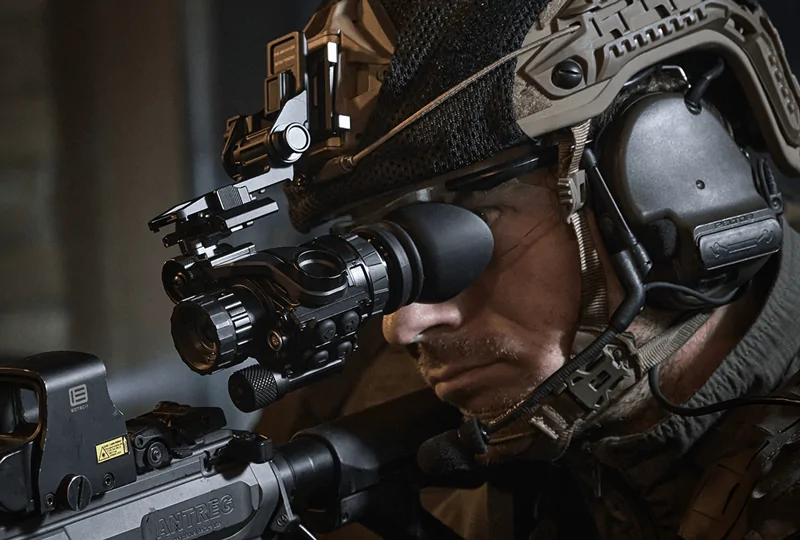
How far can you see with a night vision device?
Understand the detection range capabilities of night vision systems based on IITs, with detailed technical factors and optimized performance guidelines.
When evaluating night vision systems, categorizing them by Image Intensifier Tube (IIT) generation is just the starting point. Other critical factors include the type of photocathode materials used, such as Multi-alkali or Gallium Arsenide (GaAs), which directly influence sensitivity, spectral response, and overall device performance. The real measure of performance lies in specific attributes such as resolution, photocathode sensitivity, and optical quality. This article outlines the key technical factors that influence detection range and provides general estimates to help professionals in defense and tactical sectors make informed decisions.
Table of Contents
Key Concepts: What Is Detection Range?
Detection range refers to the distance at which a user can detect the presence or movement of a subject without identifying finer details. While several variables come into play, the most significant include:
- Target size: Larger objects are more easily detected.
- Ambient light: Natural sources (moonlight, starlight) or artificial illumination (IR light) extend visibility.
- Device type: Binoculars generally offer superior depth perception and a wider field of view, leading to better situational awareness and easier navigation in the dark. Monoculars, on the other hand, are typically smaller, lighter, and more portable, making them suitable for occasional close-up observations. However, they can cause more eyestrain and potentially reduced image clarity compared to binoculars.
- Lens quality: Low F-number lenses (e.g., F/1.0) drastically outperform cheaper optics (e.g., F/1.8). GSCI offers high quality, MIL-SPEC lenses for any budget and performance goals.
- Environmental conditions: Weather, landscape, and light pollution heavily influence performance.
Factors That Affect Detection Range
Image Intensifier Tube Characteristics
- Photocathode Sensitivity: Measures the IIT’s ability to convert light into an electrical signal, expressed in μA/lm (microamperes per lumen). Higher sensitivity improves low-light performance.
- Resolution: Measured in lp/mm (line pairs per millimeter), resolution defines the device’s capacity to present detailed images. Higher resolution is essential for target recognition and discrimination.
- Signal-to-Noise Ratio (SNR): A crucial metric for assessing clarity. A higher SNR means a cleaner image and better contrast between target and background.
Device Optics and Lens Configuration
Night vision performance is heavily influenced by the quality and configuration of the optical system. This includes the objective lens design, aperture (F-number), lens coatings, focal length, and the use of accessory optics.
Objective Lenses and Light Transmission: The objective lens plays a central role in determining how much light enters the system. High-performance optics are designed with low F-numbers (e.g., F/1.0) to maximize light transmittance in the visible and near-infrared spectrum. These lenses are typically larger and more expensive but are essential for optimal image brightness and contrast in low-light conditions.
Focal Length and Magnification: Devices may have fixed optical magnification, often 1×. However, additional magnification is commonly achieved using accessory lenses, which attach to the main objective. While longer focal lengths (e.g., 3× to 5×) may allow users to observe targets at greater distances, they typically reduce the overall field of view and introduce image degradation if not matched with high-quality lens assemblies.
- Field of View, Weight, and Portability: Higher magnification setups tend to be bulkier, reducing portability and making them less suitable for hands-free or helmet-mounted use. Therefore, operational requirements must balance zoom capability, field awareness, and device ergonomics.
Environmental Conditions
- Ambient Light & IR Illuminators: In environments with extremely low or no ambient light, such as caves, enclosed structures, or moonless nights, infrared (IR) illuminators become essential tools. These emit invisible IR light, which is detected and amplified by the IIT, allowing users to navigate, conduct training, or perform detailed tasks like map reading. While IR illuminators do not “boost” the tube itself, they provide an external light source, enabling visibility when the scene is otherwise completely dark.
- Fog, Rain, and Atmospheric Interference: Moisture and particles in the air reflect light unpredictably, reducing image quality. Devices may underperform in heavy fog or rain due to light scatter.
Depth Perception and System Type
- Monocular vs. Binocular Vision: Depth perception is reduced in single-tube systems because both eyes rely on one source. Dual-tube binoculars, with independent light sources for each eye, restore depth perception, critical for navigation and targeting.
Estimated Detection Ranges: Important Notes
The following estimates are based on testing under controlled conditions using:
- 1× magnification.
- Green phosphor IITs.
- A mix of monocular, goggles, and binoculars.
- Variable FOM (Figure of Merit), F-numbers, and optic types.
Factors such as rain, fog, snow, ambient light, and terrain influence actual performance. These values are for general guidance only.
⚠️ Disclaimer: This data is not absolute. Field conditions and device quality can significantly alter actual detection ranges.
Estimated Detection Ranges by Device Type and Conditions


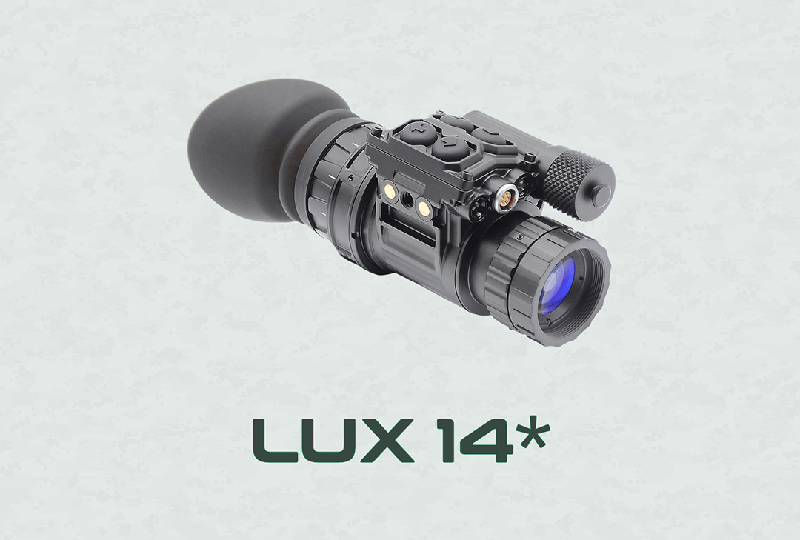
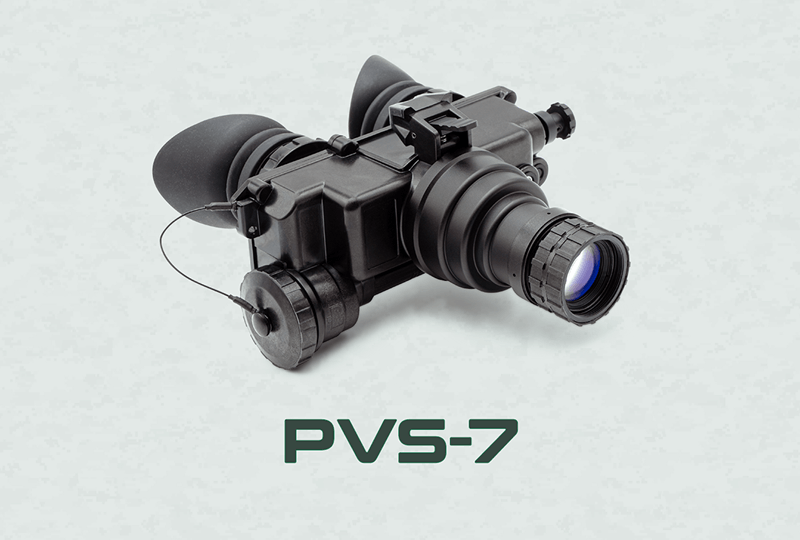
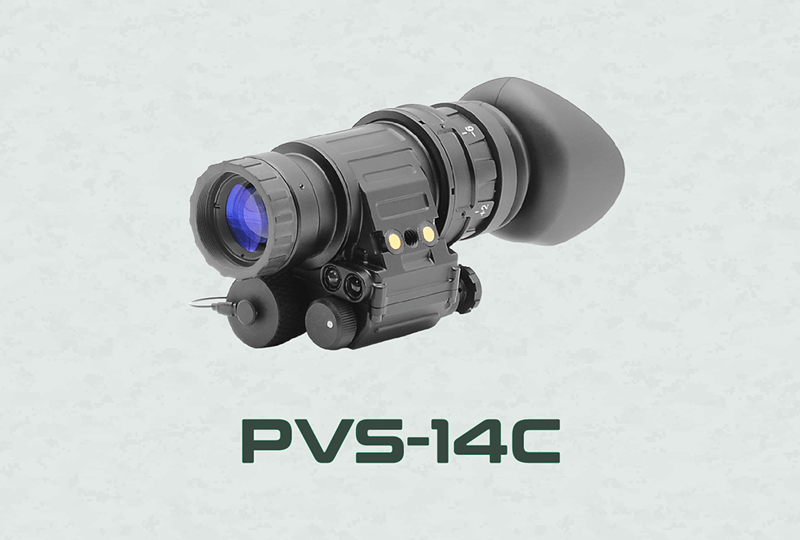
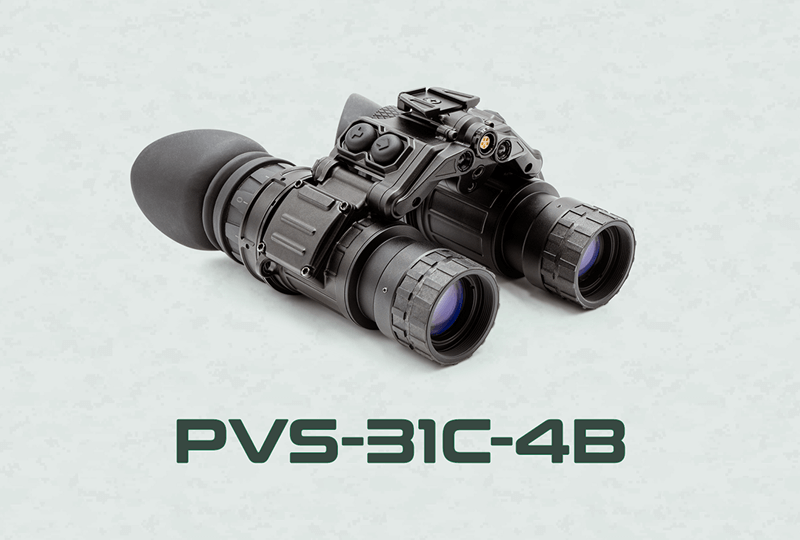
GSCI Night Vision Systems
Conclusion
Understanding the factors that influence detection range is critical when selecting and deploying IIT-based night vision systems. From the technical characteristics of the image intensifier tube to the quality of the optics and prevailing environmental conditions, each variable plays a decisive role in determining field performance. Choosing the right combination of device type, optical configuration, and illumination strategy directly impacts mission success, especially in low-light or no-light operational scenarios.
For professionals in defense, law enforcement, and tactical operations, investing in advanced, high-performance systems is not just about range, it’s about accuracy, situational awareness, and survivability. GSCI remains committed to providing cutting-edge night vision solutions tailored to the most demanding operational environments.
Looking to upgrade your night vision capabilities?
GSCI offers Advanced Detection and Precision Targeting Systems and a full range of Compatible Night Vision Devices engineered for elite performance in the field.